
 Parenting Tips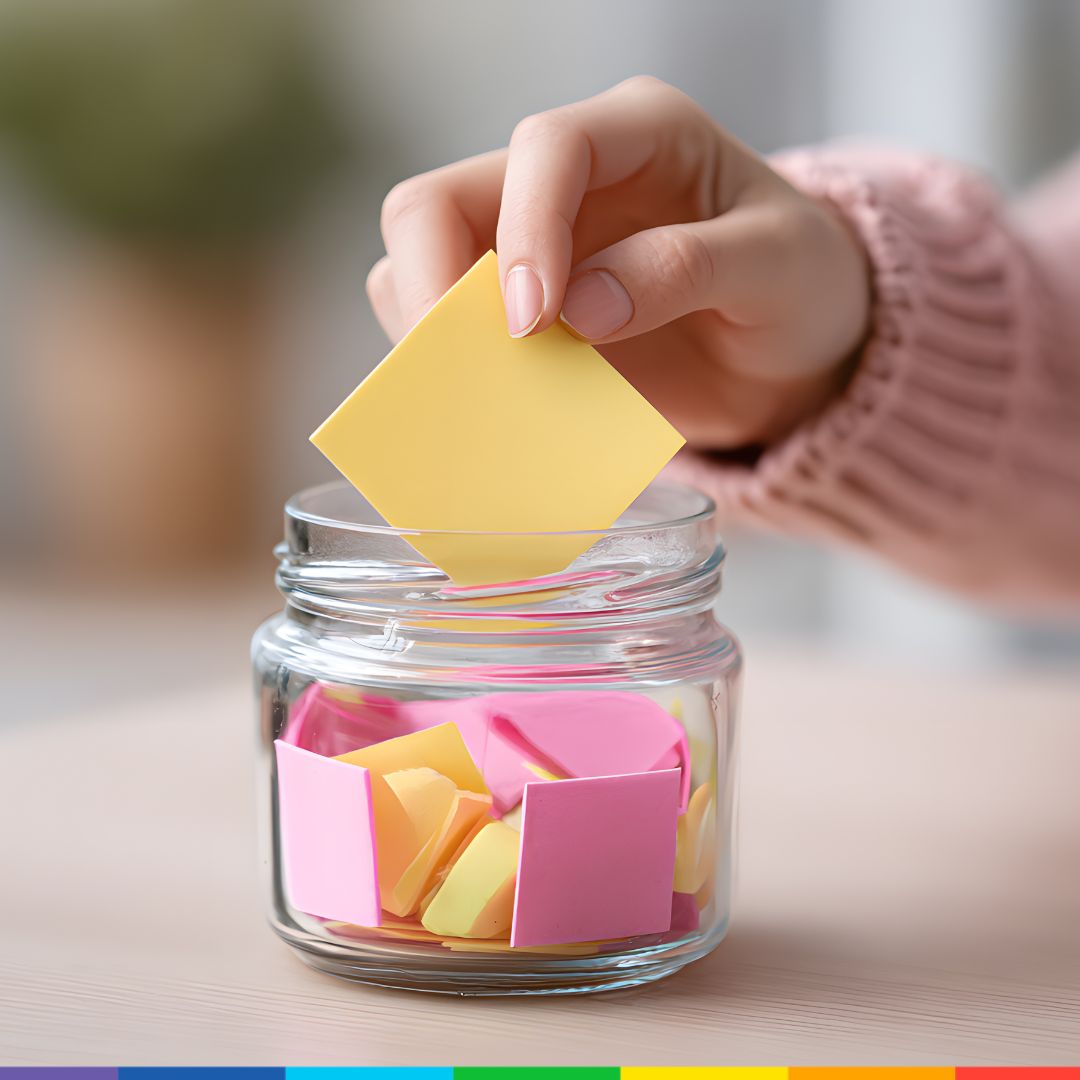
Parenting Tips
5 Ways to Nurture SEL at Home (Fun Activities)
January 1, 2026
Related
Topics

Hey
-
25 Screen-Free Activities for Kids That Are Fun and Easy
October 20, 2026
-

Modeling Emotional Intelligence as a Parent – Easy Realistic Tips
September 8, 2026
-
‘Name It to Tame It’ — How to Build Child’s Emotional Vocabulary
August 19, 2026
-
The 5 Super Steps of Emotion Coaching — Your Practical Guide
August 5, 2026
-
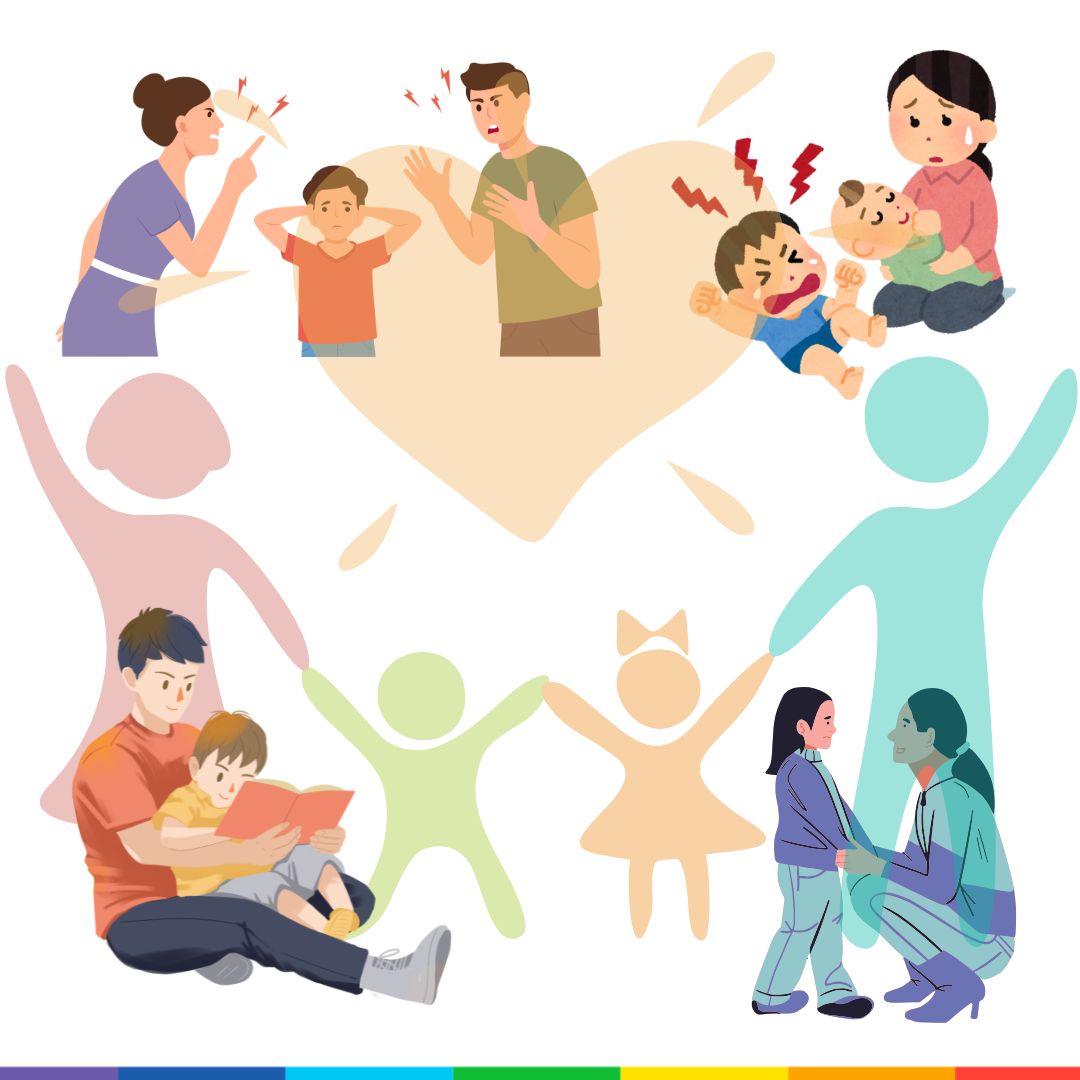
The 4 Famous Parenting Styles — Which One Is Yours?
June 22, 2026
Ready for more?
Hey
Sign up for Rainbow Kiddies newsletters for more stories and updates
These 5 ideas are simple, research-aligned and designed for busy families to nurture SEL at home through fun activities.
1. Daily “Feelings Check-In” (Self-Awareness)
Why it helps:
Naming feelings out loud helps children recognise and manage them. Emotional vocabulary is strongly linked to emotion regulation and social competence.
How to do it:
- Pick a regular moment (breakfast, after school, bedtime).
- Ask:
- “What one feeling did you encounter today?” – Invite them to talk about more if there were.
- “Show me how you are feeling with your thumb – up, sideways or down?” – remember to define each sign for them first.
- “Can you choose a word about how you felt then, or are feeling now: happy, excited, worried, angry, tired, something else?”
- Use a feelings chart or simple faces drawn on paper to help them identify their feelings. Our story book on Understanding Feelings has multiple activity sheets that can help with this.
Bonus idea (Rainbow Kiddies-style):
Create a “Feelings Flower” where each petal is a feeling. Keep every petal color different to suit different feelings (blue for sad, yellow for happy, red for angry, green for jealous, orange for excited, and so on) Your child points to the petal that matches their mood and shares why. Each time they name a feeling, get them to draw/ name it on one side of the petal. On the other side of the same petal, help them draw or jot down ways in which the particular feeling can be handled.
2. The “Sparkle Jar” of Gratitude (Self-Management & Optimism)
Gratitude practices are linked to better mental health, positive relationships and resilience in children and adults.
There are several ways to do it. Here is one of them that will be lots of fun too:
- Find a jar and decorate it together – call it your Sparkle Jar.
- Every evening, each family member adds:
- One thing they are grateful for
- One kind thing someone did for them
- Read a few notes aloud at the end of the week.
This gently trains the brain to notice positives, not just problems – an important self-management and mindset skill.
3. “Stop–Breathe–Choose” Moments (Self-Management)
Children aren’t born knowing how to pause before reacting; they learn it from repeated coaching and also from seeing others do it.
Teach a simple three-step routine:
- Stop – freeze like a statue.
- Breathe – three slow belly breaths (you can put a soft toy on their tummy and get them to notice the toy raise and drop with their tummy while breathing).
- Choose – “What’s a kinder / safer / better choice we can make now?”
Practice this outside of meltdowns first – during play or storytelling. Then gently remind them during tricky moments:
“I see you’re very angry. Let’s do ‘Stop–Breathe–Choose’ together.” Or you can even practice it yourself when you feel angry or anxious and discuss it with them while you are at it, or later.
This mirrors the focus on emotion regulation found in SEL frameworks used in schools and our resources for parents.
4. Storytime for Empathy & Inclusion (Social Awareness & Relationships)
Stories are a powerful way to help children “step into someone else’s shoes.” Research indicates that early childhood programs using storytelling and small-group activities support children’s social skills and school progress.
What you can do:
- During bedtime stories, pause to ask:
- “How do you think this character feels?”
- “Have you ever felt like that?”
- “What could the other character do to be kind?”
- Use diverse characters and situations (new sibling, new classmate, someone different from them).
If you use Rainbow Kiddies stories:
- Ask: “What helped Moon/Chloe to be brave or kind here?”
- Invite your child to think of a similar situation at school or home.
This links the story world to real life – the heart of social emotional learning. Even better, just bring them to one of our workshops or invite us to their school for an interactive storytelling workshop.
5. “High–Low–Hero” Family Conversations (Responsible Decision-Making)
Create a nightly or weekly ritual:
- High: “What was the best part of your day?”
- Low: “What was the hardest part?”
- Hero: “Who was a helper today? Or how were you a helper?”
This builds:
- Reflection and self-awareness
- Appreciation for others
- A sense of agency (“I can be a helper/ savior too”)
Research on parent–child conversations shows that such reflective, emotionally attuned interactions are powerful for social and emotional development and secure attachment.
What Does Healthy SEL Look Like in a Child?
Every child is different, but over time you may notice:
- They name feelings more often (“I’m frustrated” instead of just screaming).
- They can recover faster from upsets with support.
- They start to notice other people’s feelings (“Is she sad?”).
- They show more kindness and helping behaviours.
- They begin to solve small conflicts with words (sharing, taking turns).
- They can talk about what went wrong and “what we can do next time.”
It doesn’t mean they will never have tantrums or fights (they still will – that’s developmentally normal!). SEL is about helping them grow through those moments, not avoid them.
SEL at Home + SEL at School = Strongest Impact
Singapore’s MOE emphasises that schools and parents should work hand-in-hand to build 21st Century Competencies, including social and emotional skills. When SEL messages are consistent at home and school, children show better engagement and social-emotional outcomes.
You can:
- Ask teachers what SEL looks like in your child’s classroom
- Use similar language at home (e.g., “calm corner”, “kind hands”, “using words”)
- Share with teachers what strategies work well at home
How Rainbow Kiddies Fits In
If you’re looking for fun, story-based ways to build SEL at home or in your classroom, Rainbow Kiddies was created exactly for this:
- Animated stories that gently teach kids about emotions, bravery, gratitude, resilience, healthy habits and more.
- Story books with activities like feelings charts, gratitude trackers, story writing, and crafts.
- Workshops for schools, family events, and learning centers that combine storytelling, movement, mindfulness, craft and art.
We believe SEL should feel magical, playful and accessible for every child and every family – not just something in a textbook.
Happy parenting!




Sign Up for your Free Parenting Guide: “10 Everyday Ways to Raise an Emotionally Strong Child”


