
 Parenting Tips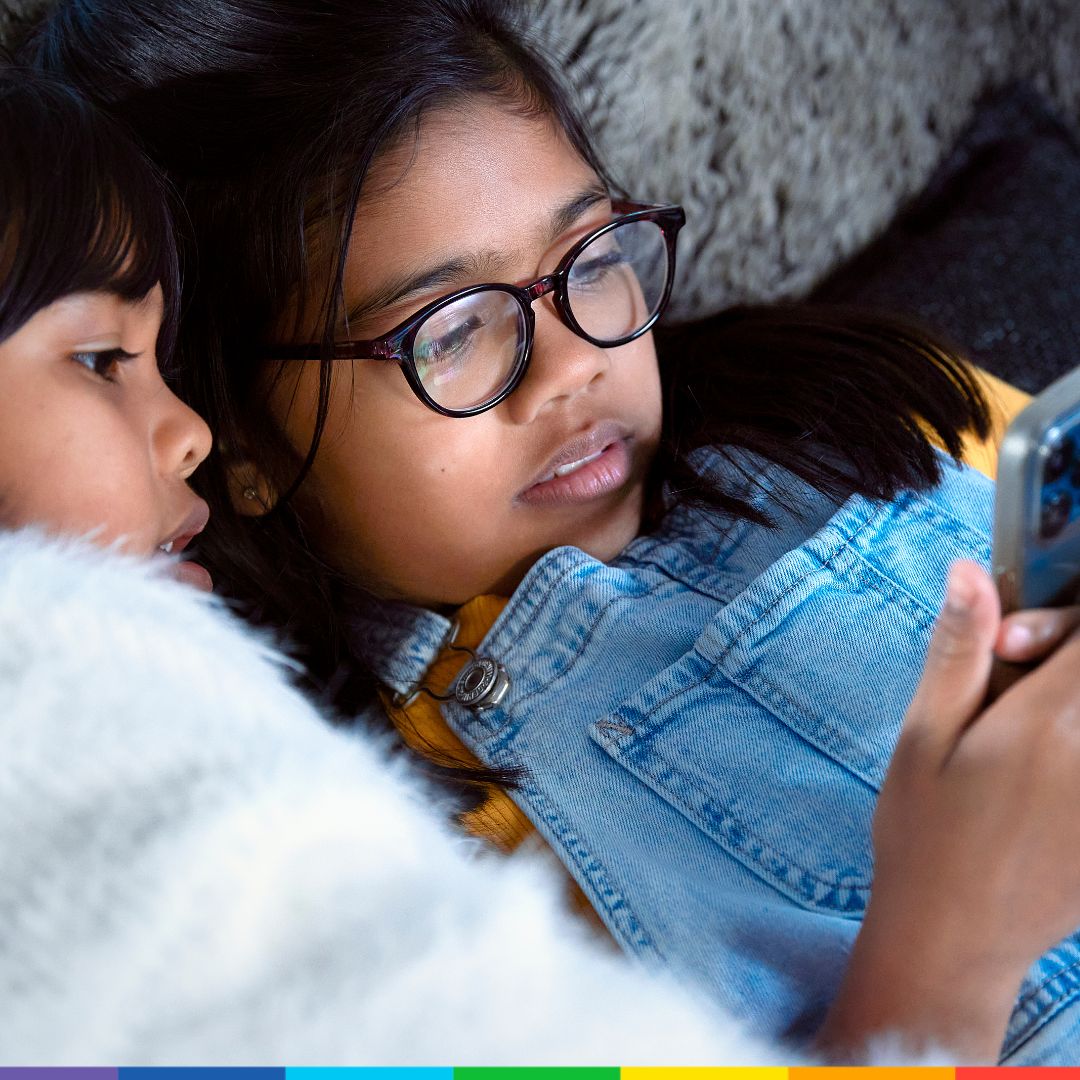
Parenting Tips
How Too Much Screen Time Affects Your Child’s Emotions!
March 12, 2026
Related
Topics

Hey
-
How Too Much Screen Time Affects Your Child’s Emotions!
March 12, 2026
-
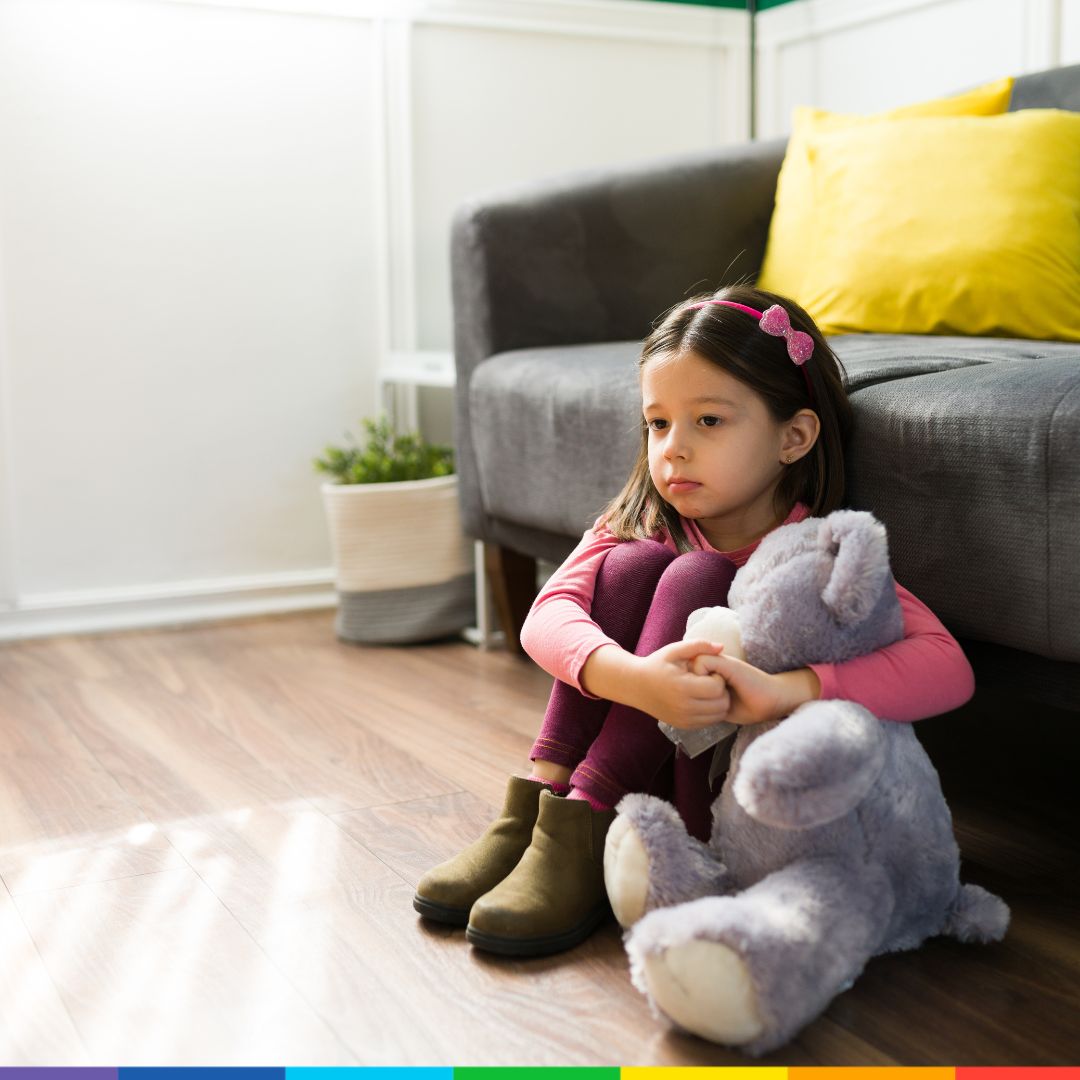
Big Feelings – Helping Kids Handle Them : Best Tips 101
February 25, 2026
-

How to Build Confidence in Shy Kids: 12 Evidence-Based Tips
January 26, 2026
-

How to Teach Emotional Regulation to Kids (Aged 3–8)
January 15, 2026
-

5 Ways to Nurture SEL at Home (Fun Activities)
January 1, 2026
Ready for more?
Hey
Sign up for Rainbow Kiddies newsletters for more stories and updates
Screens are now a normal part of childhood, but many parents worry about how screen time affects kids’ behavior. Research from organizations like the American Academy of Pediatrics shows that excessive screen exposure can influence children’s emotions, sleep patterns, attention span, and social development.
If your child becomes irritable after using a tablet or struggles to focus without screens, you’re not alone. Understanding the link between screen time and kids’ behavior can help families create healthier digital habits.
In today’s digital world, screens are everywhere—phones, tablets, TVs, laptops, and gaming consoles. While technology can help children learn and stay entertained, too much screen time can influence how children think, feel, and behave. We had written about this when we started off this website. Looks like its time to revisit this topic with some fresh points.
Many parents notice changes such as irritability, tantrums, poor sleep, or difficulty focusing when children spend long hours on screens.
In this article, we explore what research says about screen time, emotions, and children’s behaviour, along with practical digital parenting tips for creating a healthy balance.
How Screen Time Affects Children’s Behaviour
Research shows that screen exposure affects several aspects of a child’s emotional and behavioural development, including attention, sleep, and social skills.
Studies indicate that excessive screen time may contribute to attention problems, language delays, reduced physical activity, and impaired social skills.
Let’s explore the main ways screen use can influence behavior.
1. Increased Irritability and Emotional Outbursts
Many parents notice that children become more emotional after long periods of screen use.
Psychological research shows that higher screen exposure is associated with emotional and behavioural problems, and children who struggle with these issues may turn to screens as a coping mechanism.
Possible signs include:
- Frequent tantrums
- Mood swings
- Irritability when devices are taken away
- Difficulty calming down after screen use
Fast-paced digital content can overstimulate the brain, making it harder for children to regulate emotions.
2. Attention and Focus Problems
One of the most widely discussed concerns about screen time is its impact on attention span.
Studies suggest that excessive media exposure may affect executive functioning and attention control in children, which are important for learning and classroom behaviour.
Children who spend many hours on screens may experience:
- Difficulty concentrating on tasks
- Reduced patience for slow activities
- Increased impulsive behaviour
Rapid scene changes in digital media can train the brain to expect constant stimulation.
3. Sleep Problems and Emotional Regulation
Sleep and emotions are closely connected. When children don’t sleep well, their ability to manage feelings decreases.
Research shows that screen use—especially before bedtime—can disrupt sleep patterns and reduce sleep quality.
Poor sleep can lead to:
- Increased irritability
- More emotional meltdowns
- Lower frustration tolerance
- Difficulty focusing in school
Blue light from screens may interfere with melatonin, the hormone that regulates sleep cycles.
4. Delays in Communication and Social Skills
Young children learn emotional understanding mainly through real-world interactions.
Studies have found that higher screen exposure in early childhood is linked with delays in communication and problem-solving skills.
Face-to-face interactions help children learn:
- empathy
- reading facial expressions
- conversational skills
- emotional regulation
When screen time replaces play and conversations, children may miss important social learning experiences. Studies referenced by the American Psychological Association link heavy screen use with emotional and behavioral difficulties in some children.
5. Reduced Physical Activity and Outdoor Play
Screens often replace activities that support emotional and physical health.
Research indicates that heavy screen use is associated with less physical activity, poorer sleep, and higher risks of health problems.
Active play helps children:
- release stress
- regulate emotions
- build confidence
- develop social skills
A sedentary lifestyle can contribute to mood issues and behavioral challenges. The World Health Organization highlights the importance of balancing screen use with sleep and physical activity.
When Screen Time Can Be Positive
It’s important to note that not all screen time is harmful.
Research suggests that educational content and interactive media, especially when parents watch together, can have positive effects on learning and development.
Helpful digital use includes:
- educational programs and videos
- creative apps and virtual learning tools
- interactive storytelling
- video calls with family
The key is quality, context, and balance.
Healthy Screen Time Guidelines for Children
The American Academy of Pediatrics recommends limited screen exposure for young children. According to pediatric health guidelines:
- Under 18 months: avoid screen media except video calls
- 18–24 months: limited use with parental supervision
- 2–5 years: about 1 hour per day of high-quality content
- 6+ years: consistent limits with balanced activities
These recommendations emphasize balanced digital habits rather than complete avoidance.
7 Practical Digital Parenting Tips
Here are simple strategies parents can use to manage screen time effectively.
1. Create Screen-Free Zones
Keep bedrooms, dining tables, and family time device-free.
2. Follow the “Content First” Rule
Focus on what children watch, not just how long.
3. Watch Together
Co-viewing helps children understand content and encourages discussion.
4. Encourage Outdoor Play
Aim for at least 60 minutes of active play daily.
5. Set Consistent Screen Schedules
Predictable limits reduce power struggles.
6. Avoid Screens Before Bedtime
Turn off devices at least one hour before sleep.
7. Model Healthy Device Use
Children learn digital habits by observing parents.
Signs Screen Time Is Affecting Your Child
Possible signs:
- Irritability when screens are removed
- Frequent tantrums after device use
- Difficulty focusing on homework
- Reduced interest in outdoor play
- Sleep problems
Finding the Right Balance with Screen Time
Technology is now a permanent part of childhood, but balance is key.
Research shows that the impact of screen time depends on the duration, content, and level of parental involvement.
When families combine digital media with:
- outdoor play
- creative activities
- social interaction
- healthy sleep routines
children are more likely to develop strong emotional skills and healthy behaviour patterns.
Final Thoughts on Screen Time
Screen time itself is not the enemy. The real goal is helping children build a healthy relationship with technology. Screens are part of modern life, but balance matters. By guiding children toward healthy digital habits and encouraging outdoor play, creativity, and conversations, families can help children grow emotionally strong in a technology-filled world.
By staying aware of how screens influence kids’ behavior and emotions, parents can guide their children toward balanced habits that support both digital learning and emotional well-being.
Small steps—like screen-free evenings, family conversations, and outdoor play—can make a big difference in raising emotionally resilient children. If you are facing difficulties explaining this to your kids, we have a quick video story on screen time which can help with the task. Doesn’t make me feel guilty suggesting this, because this is helpful content and I will always invite parents to watch our videos with the kids so they can understand the videos even better and apply the learnings in their lives together.
Happy parenting!




FAQ
How does screen time affect kids’ behavior?
Excessive screen time can affect sleep, attention span, and emotional regulation in children.
What is a healthy amount of screen time for children?
Experts recommend around one hour per day for young children with age-appropriate content.
Can educational screen time be beneficial?
Yes, especially when parents watch together and discuss what children see.
How can parents reduce screen time battles?
Set consistent rules, create device-free family routines, and offer engaging offline activities.
Sign Up for your Free Parenting Guide: “10 Everyday Ways to Raise an Emotionally Strong Child”


