
 Parenting Tips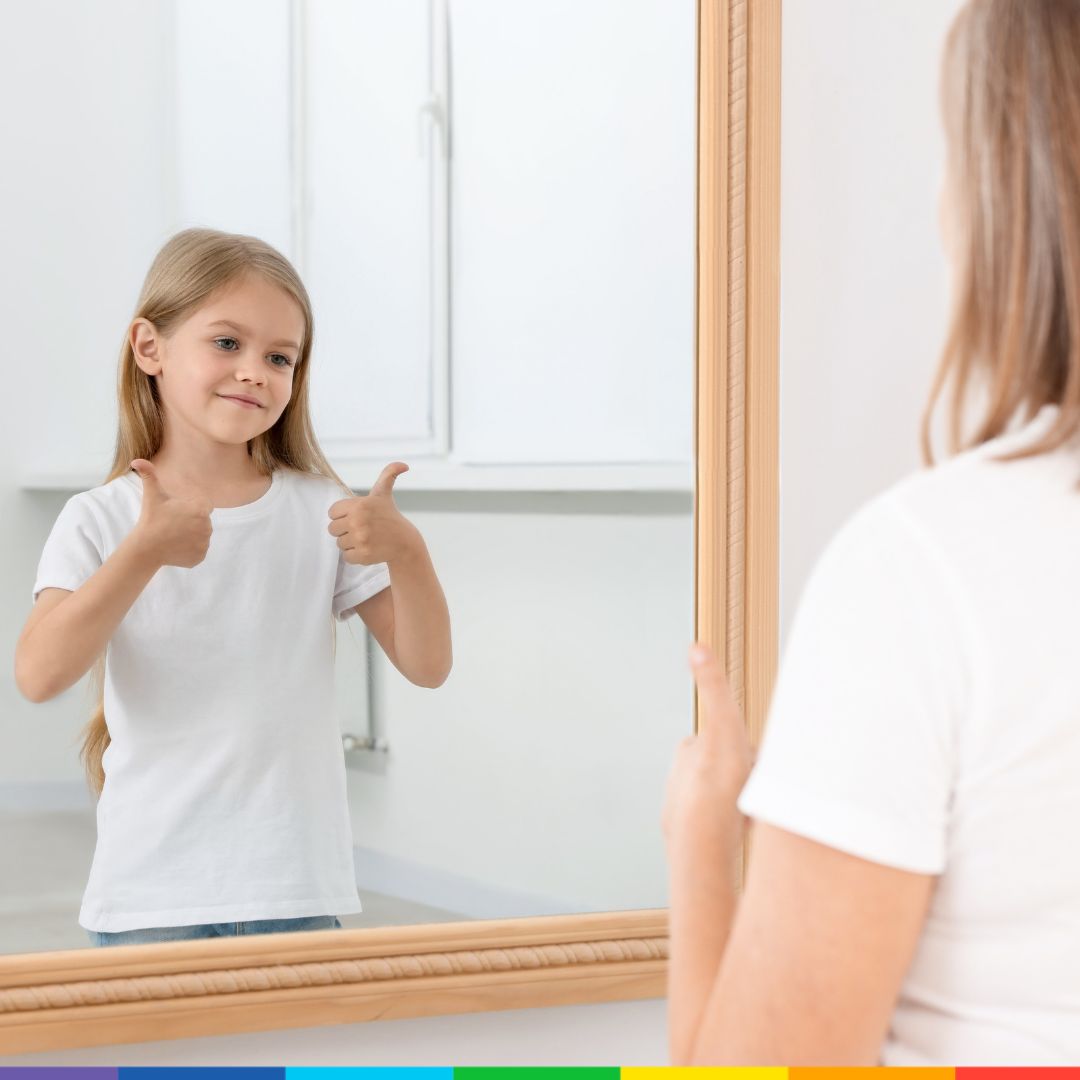
Quick Bites
How to Build Friendship Skills and Classroom Confidence?
February 11, 2026
Related
Topics

Hey
-
How to Build Friendship Skills and Classroom Confidence?
February 11, 2026
-

Resilience-Building – Easy Checklist for Kids of All Ages
August 13, 2025
-

-

How to Ensure Body Safety of Your Kids? – Summary
February 27, 2025
-
Debunk Common Myths About Safe Touch: Know the Truth
February 23, 2025
Ready for more?
Hey
Sign up for Rainbow Kiddies newsletters for more stories and updates
Having interacted with young kids, what I often hear from these kids and their parents is about lack of classroom confidence, and inability to build friendship skills. This could be more unnerving for the parents than the kids sometimes. After talking to several parents and teachers what I understood is that this is just a passing phase for most kids. They do learn how to overcome it in their own way too. Well, it would be great if you could guide or have their back in the process. So here goes some free advice, as always.
First, understand what the child is experiencing. Maybe they were laughed at when they gave a wrong answer. Maybe they were not able to join a group of kids who were playing. Understand what the root cause of their fear might be.
- they likely know what they want to say but worry about:
- “What if I say it wrong?”
- “Will people laugh?”
- “What if I sound silly?”
- This could be due to past experiences, or what they saw other kids encounter.
- So they stay quiet to stay safe. Silence is their protection, not their weakness.
Our goal is not to change their personality.
Our goal is to give them small experiences of success so their brain learns:
“I can speak, connect, and I feel safe.”
1. Build Friendship Skills: Teach Simple “Entry Skills”
Many shy kids don’t know how to enter a game or conversation. Teach them these three magic sentences and practice daily through role play:
- “Can I play with you?”
- “What are you playing?”
- “Can I sit with you?”
Practice like a game at home:
You pretend to be a child in the playground.
Let them practice saying one sentence.
Keep it playful and short (30–60 seconds).
This removes the “What do I say?” fear.
Never call them a shy kid. Avoid such labels and give them a chance to open up and overcome their inhibitions gradually.
2. For Classroom Confidence: Start with “Small Voice Goals”
Don’t jump straight to “speak loudly in front of everyone.”
Build a ladder:
Week 1:
- Speak loudly at home during play.
- Read a sentence aloud to you.
Week 2:
- Speak to one trusted friend at school.
- Answer teacher in a small group.
Week 3:
- Raise hand and say one short word answer.
- Progress slowly to full sentences.
Each step teaches their nervous system:
“I did it and nothing bad happened.”
Try if you can loop in their teacher in the process so they can also provide the required support at school. That’s when it will work best.
3. Teach Them a “Brave Body” Trick
Before speaking:
- Feet flat
- Shoulders back
- Deep breath
- Quiet whisper inside: “I can try.”
This posture alone increases confidence signals to the brain.

You could also try some other subtle superhero pose, or just making a fist, or touch the heart – whatever makes them feel comfortable, be present and brave. Have a look at our article on assertiveness training for more such tips.
4. Use a “Brave Star Chart” (Very Powerful at Young Age)
Make a simple chart:
| Day | Brave Action | How I Felt (1–5) | What I Did Well |
|---|---|---|---|
| Mon | Said hi to one child | 3 | I tried |
| Tue | Answered teacher softly | 4 | I used brave breath |
Reward effort, not outcome. This one’s very important – not the chart as such, rewarding the effort rather than the outcome. Try this a few times and see the positive impact it will have on your little one. As we all know that if kids love doing something, they will put in all their effort into it. The outcome might differ from their expectations, and sometimes even from our expectations. So, instead of focusing on the outcome, appreciate the effort and they will keep at it, until they have the desired outcome.
5. What to Say When They Don’t Speak
Avoid:
- “Why are you so quiet?”
- “You have to speak up.”
Instead say:
- “Your voice is important.”
- “Trying is already brave.” (Watch this story we had published a while back to help them realize this.)
- “You can go slow.”
This builds emotional safety. Instead of picking at their weakness, if you let them work on it, and be empathetic, that’ll make a huge difference. Further, they will learn from you as a role model and be able to help someone else in the future.
6. Arrange “Easy Win” Playdates
One child at a time.
Short (45–60 minutes).
Do an activity with structure:
- Drawing
- Lego
- Baking
- Craft
Unstructured free play is harder for shy children, and too many kids might also make it tougher for them to handle the situation at hand. So keep it simple, easy and fun.
7. Talk to Their Teacher (Simple Script)
You can say:
She is thoughtful but needs a little warm-up time.
Small encouragements help his confidence.
Could she start by answering in smaller groups or with shorter responses?
Could you make sure he is not laughed at for giving wrong answers?
Teachers usually support this very well.
When to Watch Closely
Seek extra help if:
- They avoid school
- Cry often from fear
- Have physical symptoms (stomach aches, headaches, bruises)
- Show panic when asked to speak
Otherwise, what you are seeing is normal developmental shyness that responds beautifully to gentle guidance.
Happy learning, happy parenting!
Sign Up for your Free Parenting Guide: “10 Everyday Ways to Raise an Emotionally Strong Child”


